How to Take Consistent Progress Photos That Actually Show Results
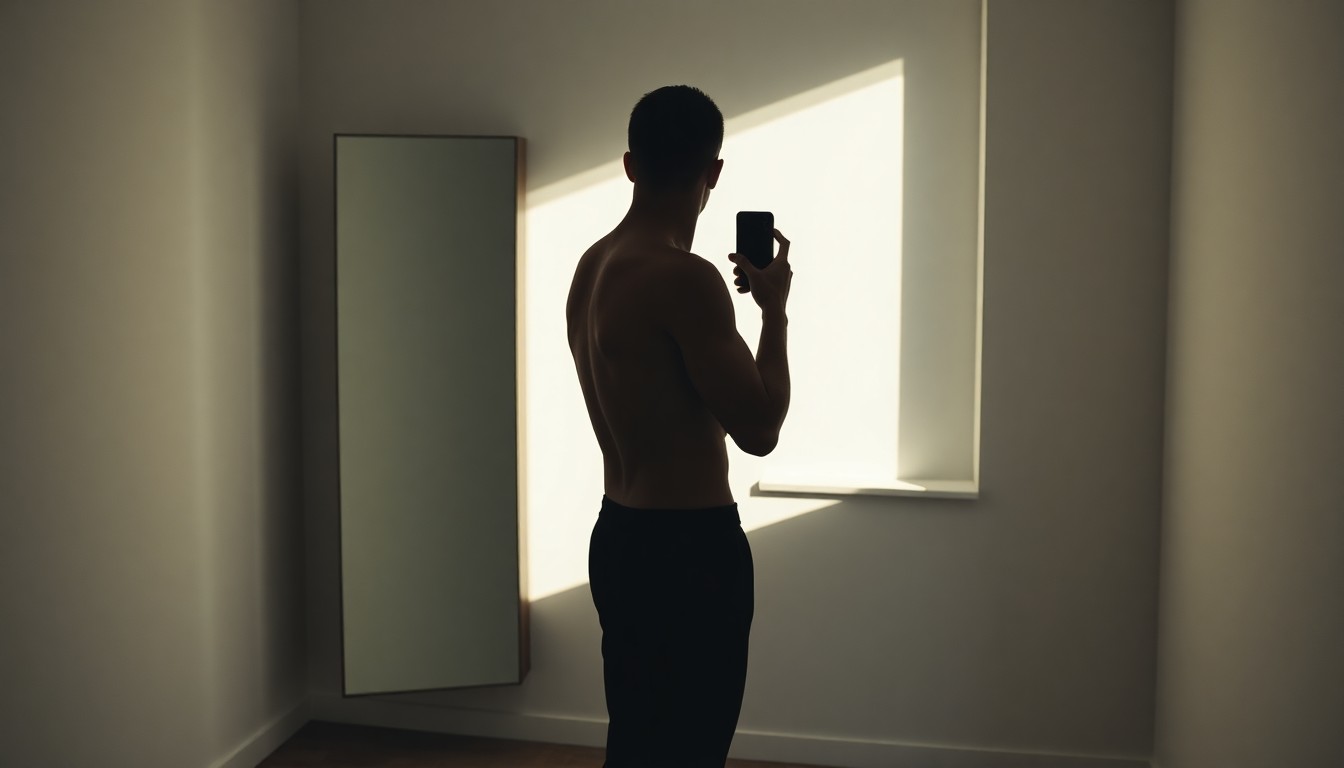
Most progress photos don't show progress. Not because your body isn't changing, but because inconsistency makes change invisible. A different angle here, a different light there, and two months of real results look like nothing happened.
Consistency is the only variable that matters. Your camera, your gym routine, your scale: none of it matters as much as taking the same photo, in the same place, the same way, every single time.
Why your eye needs fixed anchors
Visual comparison only works when everything except your body stays constant. If lighting shifts, your eye will attribute shadow differences to the light, not fat loss. If your angle moves three degrees, your torso looks wider or narrower regardless of what actually happened.
It's like measuring a wall with a ruler that changes length. The measurement is worthless. Progress photos work the same way: remove the variables, and your body becomes the only thing changing in the frame.
When to take them
Morning, before you eat or drink, is ideal. Your body is in its most repeatable state: no food volume, no water retention from the day, consistent glycogen levels. Pick one day of the week and lock it in. Weekly cadence is enough; daily becomes obsessive and makes it harder to see longer term trends.
Set a recurring reminder and treat it like a standing appointment. The habit is the measurement.
What to wear
As little as you're comfortable with. The goal is to see your body, not your clothes. Shorts and a sports bra, or underwear. Whatever you choose, wear the exact same thing every session. Different fabrics and fits can dramatically alter how your body reads in a photo, and you'll end up comparing outfits instead of bodies.
Lighting and location
Natural light beats everything. Face a window, not with your back to it. Overhead indoor lighting creates harsh shadows that can fake muscle definition or hide it, depending on the angle. Neither helps you see what's real.
Mark your spot. Same distance from the camera, same room, same time of day so the natural light hits the same way. Tape an X on the floor if you have to.
The three angles you actually need
Front, side, and back. Each tells a different story:
- →Front — shoulder width, waist narrowing, lower belly changes
- →Side — stomach profile, posture, chest and back projection
- →Back — glute development, lat width, upper back definition
Don't pose differently between sessions. Arms at your sides, standing straight, neutral expression. You're tracking your body, not showcasing it. Save the good angles for when you're sharing.
How often is often enough?
Daily. Your body responds to sleep, food, training, and stress, and a daily photo captures that full picture. The mirror lies because your eye adapts to gradual change — a daily timeline doesn't. Swipe back thirty photos and the shift is obvious even when today's mirror says nothing is happening. Miss a day and you pick it back up tomorrow. Miss a week and you've lost data you can't recover.
Frame makes the consistency automatic
Frame's guide overlay lines up your shot the same way every session. Your full timeline lives in the app. Swipe through months of photos side by side and see what's actually changing.